How Long Does It Take to Be a Dental Assistant in Houma?
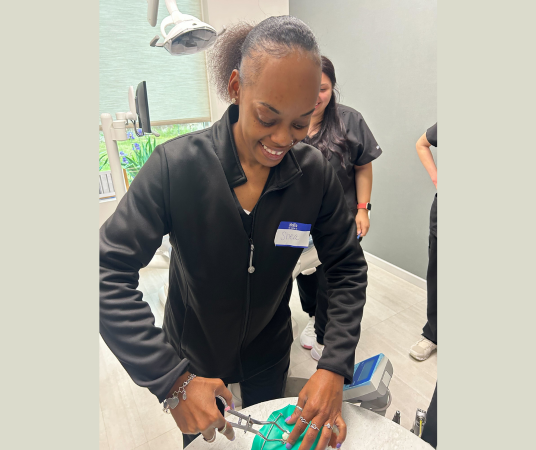
Twelve weeks. That’s how long it takes to go from zero dental experience to a trained dental assistant ready to work chairside in a real practice. Not twelve months. Not two years. Twelve weeks of focused, hands-on training — and you’re walking into interviews with the skills employers are actively looking for.
At Houma Dental Assistant School in Houma, the program is built around that 12-week timeline because it’s all the time a focused curriculum actually needs. Every class session, every lab exercise, and every externship hour is designed to get you job-ready without wasting a single week on content that won’t matter in a dental office.
Why 12 Weeks Is Enough to Become a Dental Assistant
The 12-week timeline isn’t a shortcut — it’s an efficiency. Community college dental assisting programs typically run 9 to 12 months, but a large portion of that time goes to general education requirements: English composition, college algebra, introductory psychology. Those courses have value in a broader academic context, but they don’t teach you how to pass instruments during a composite restoration or take a periapical radiograph.
A 12-week program strips out the filler and focuses entirely on what dental offices need you to know:
- Chairside assisting — four-handed dentistry, instrument identification, procedure setup and breakdown
- Dental radiography — positioning, exposure settings, digital and film-based X-ray systems, safety protocols
- Infection control — sterilization, OSHA compliance, PPE, operatory disinfection procedures
- Dental materials — impressions, temporaries, cements, composites, and proper mixing and application
- Patient communication — intake procedures, post-op instructions, managing anxious patients
- Administrative skills — scheduling, insurance verification, dental charting, electronic health records
That’s the complete skill set tested on credentialing exams and expected by hiring managers. A 12-week program covers all of it.
What a Typical Week Looks Like
Classes at Houma Dental Assistant School run on nights and weekends inside actual dental offices — not in a traditional classroom with textbooks and lectures. A typical week includes:
Classroom and lab instruction: Learning dental terminology, anatomy, and procedures through a combination of direct instruction and hands-on practice. You’ll work with real dental instruments, practice on typodonts, and learn to operate the same equipment you’ll use on the job.
Clinical observation and practice: Because classes are held in real dental offices, you’re exposed to the clinical environment from the start. You see how patient flow works, how the sterilization area operates, and how the dental team communicates during procedures.
Externship preparation: As you progress through the program, you’ll prepare for your externship — a supervised clinical placement in a local dental office where you’ll apply everything you’ve learned with actual patients.
The pace is focused but manageable. Students who are working part-time or raising families complete the program successfully every cohort because the schedule is designed for adults with responsibilities outside of school.
How 12 Weeks Compares to Other Paths
| Path | Time to Completion | Time to Employment |
|---|---|---|
| 12-week vocational program | 12 weeks | 3–4 months |
| Community college certificate | 9–12 months | 10–14 months |
| Community college associate’s | 18–24 months | 20–26 months |
| On-the-job training | Varies widely | Varies widely |
The math is straightforward. A 12-week graduate enters the workforce 6 to 18 months before someone in a longer program. That’s 6 to 18 months of salary earned, experience gained, and career progress made while the longer-program student is still in school.
What Credentials You Earn
Graduates of the program at Houma Dental Assistant School receive:
- Certificate of Completion from the program
- Basic Life Support (BLS) certification through the American Heart Association
- Preparation for the RDA exam — the Registered Dental Assistant credential recognized by employers across the field
The RDA credential is one of the strongest signals you can send to an employer. It tells them your skills have been independently verified through a standardized exam — not just that you attended a program.
The Salary Waiting on the Other Side
According to the Bureau of Labor Statistics, the median annual salary for dental assistants is approximately $46,540 nationally. Entry-level positions typically start between $33,000 and $40,000, with experienced dental assistants in high-demand markets earning $55,000 or more.
The BLS also projects dental assistant employment to grow 7% through 2033, faster than the national average for all occupations. That growth is driven by an aging population requiring more dental care, expanded insurance coverage bringing new patients into offices, and increasing demand for preventive dental services.
Twelve weeks of training positions you to enter that job market — and start earning — while demand is strong and growing.
What Happens After Graduation
The transition from student to working dental assistant is fast for 12-week program graduates. Here’s what the first few months typically look like:
Weeks 1–4 after graduation: Apply for positions, interview with local dental offices, and prepare for credentialing exams. Many graduates receive job offers during or immediately after their externship.
Months 2–3: Start working in a dental office. The first few weeks on the job involve learning the specific workflows, materials, and preferences of your new practice — but the clinical fundamentals are already in place from your training.
Months 3–6: Build speed and confidence. Tasks that required thought and concentration during training become second nature. You develop efficiency with instrument passing, radiographs, and patient flow.
Month 6 and beyond: You’re a contributing member of the dental team. Many dental assistants begin taking on additional responsibilities — training new hires, managing specific procedures, or exploring specializations like orthodontics or oral surgery.
Why Houma Dental Assistant School in Houma
The program at Houma Dental Assistant School is built on a few core principles:
Train in real dental offices. Not in a classroom with posters of teeth on the wall. You learn inside the environment where you’ll work, using the equipment you’ll use, alongside professionals doing the job every day.
No student loans. The program is structured with payment plans that let you pay as you go. You graduate debt-free and keep every dollar of your first paycheck.
Nights and weekends. The schedule is designed for adults who have jobs, families, and responsibilities. You don’t need to quit your current job to start training for your next career.
Focused curriculum. Every hour of instruction is directly relevant to working in a dental office. No general education courses, no filler content, no wasted time.
Get Started
Twelve weeks from now, you could be interviewing for dental assistant positions in Houma with real skills and a credential behind your name.
- See the full curriculum: Program details
- Review tuition and payment options: Tuition
- Talk to our team: Contact us
- Apply today: How to apply
You're 12 weeks from the dental assistant career you deserve.